Task
It starts from the discussion you already had. You are not asked to repeat what is known. The skill notes the target agent (Claude Code or Codex) and the executor model only when the conversation actually establishes them.
How it works
PromptingCraft.com is a single Agent Skill — instructions and references your coding assistant loads when you ask for a prompt. It composes the handoff; it never executes the task.
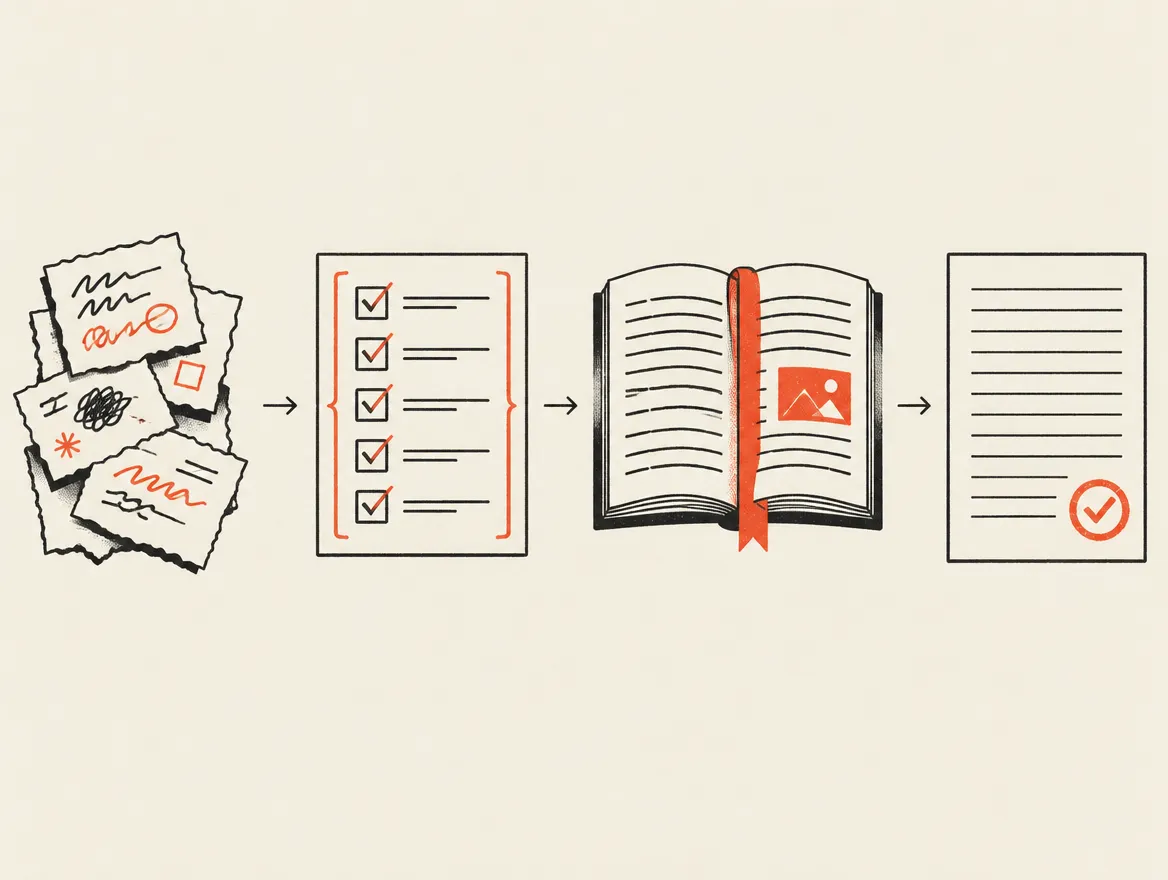
It starts from the discussion you already had. You are not asked to repeat what is known. The skill notes the target agent (Claude Code or Codex) and the executor model only when the conversation actually establishes them.
Outcome, context, decisions, constraints, non-goals, acceptance criteria and permissions are extracted, and each requirement is classified:
Text you mark as immutable is copied verbatim. The mode you asked for — discussion, investigation, proposal or implementation — is preserved; a question never becomes edit authority.
Only documentation from the AI developers themselves is consulted, and only where it applies: agent-level notes for the known target, model-specific advice only for an established model. Retrieved pages are treated as untrusted reference data.
First, the original task is critiqued. If it is already suitable, the answer is “no material revision is necessary”. Otherwise only the defective span changes: your operative statements stay the core, unresolved choices stay open, and new ideas go under “Optional suggestion”. Small tasks get small prompts.
One critique and revision pass against a compact rubric: requirement coverage, assumptions, contradictions, authority, realistic tools, acceptance checks, missing context, privacy and verbosity. A second pass happens only for an unresolved material defect. Same-model review is called self-review, not independent verification.
A two-way drift check: every original required or forbidden item must reach the final prompt, and every final operative clause must trace back to the original. New requirements, strengthened suggestions and unauthorized actions are removed or made optional. The result is one copyable prompt.
An optional offline checker can verify annotated provenance; a clean result still needs semantic review.
Supply missing access, authority or repository evidence, or guarantee that the downstream agent succeeds.
Inside Claude Code or Codex as an installed skill. No hosted service, account or telemetry.
Deterministic offline checks and published evaluation protocols in the repository. Results are reported as measured, without superiority claims.